
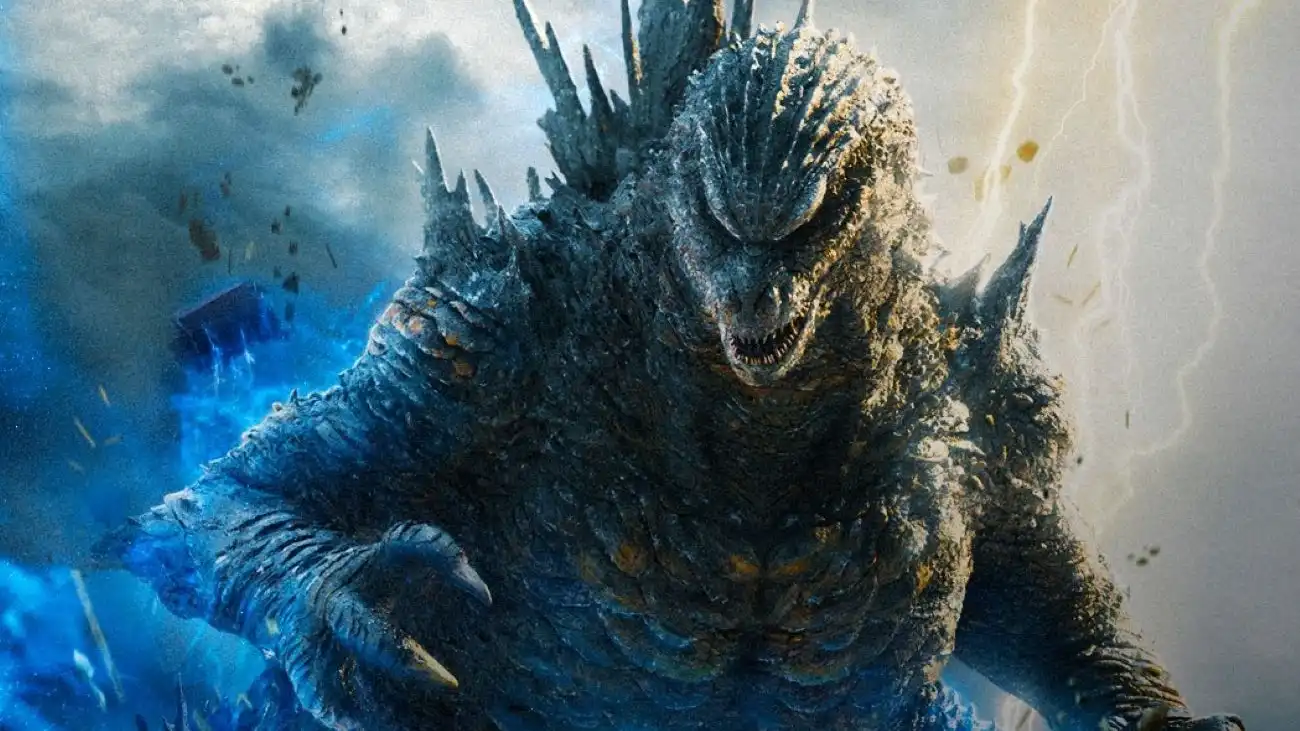
How do you deal with another national disaster when the country is still trying to recover from the previous one? And how do you make a sequel bigger without losing what made the original special? These are the questions at the heart of Godzilla Minus Zero. The film almost feels like a continuation of the devastation caused by Hiroshima and Nagasaki, with Godzilla Minus One and its sequel representing two more chapters in Japan’s long struggle with the physical and emotional scars of war.
In theatres since November 20 in India, Godzilla Minus Zero picks up just two years after the events of the previous film. But this time, Godzilla isn’t the only giant monster Japan has to worry about. The threat is bigger, the destruction is more widespread, and the human characters are once again forced to confront a nightmare they thought they had survived. Yet, as the franchise has often reminded us, the most dangerous monsters aren’t necessarily the ones towering over cities. Sometimes, they’re the ones people carry within themselves. That’s what gives these films a connection to the deeper ideas that have always been part of the Godzilla legacy.
From ‘Minus One’ to ‘Minus Zero’
Only two years have passed since the events of Godzilla Minus One, but the sequel wastes little time getting back into the action. This time, Japan faces another terrifying enemy: King Ghidorah. One of the more interesting choices the film makes is to introduce this new threat early while keeping Godzilla largely out of sight. There’s something unsettling about the way the film treats the King of the Monsters almost like a ghost, a threat that people aren’t even sure is still out there.
Of course, the new monster has to raise the stakes. Ghidorah can take to the skies, shifting the battles from the streets and coastlines to the air above Japan. Even more troubling is its ability to adapt to the military’s attempts to stop it. Every countermeasure seems to bring another problem, making the creature feel less like a conventional enemy and more like a spreading disaster that refuses to go away.
Balancing the Nuclear Legacy
The connection to the atomic bombings of Hiroshima and Nagasaki is much more direct this time around. Godzilla Minus Zero spends more time exploring the resentment and mistrust that remain in Japanese society after the war, particularly when former enemies are expected to work together against an even greater threat. Forgiveness is not easy when the wounds left by one country have not healed, and the film tries to explore what it takes for people to move beyond that history.
It’s an interesting idea, and it fits naturally into the larger themes of the franchise. However, the film doesn’t always handle it as smoothly as it could have. Some of these moments feel inserted into the story rather than growing naturally out of the characters’ experiences. There are also stretches where the dialogue goes on for too long. A little less explanation and more confidence in the visuals might have made those emotional moments considerably stronger.
This is one area where the film occasionally loses its balance. It has plenty to say, but it doesn’t always know when to let a scene speak for itself. As a result, some of the more important themes don’t land with quite the impact they should.
Godzilla vs. Ghidorah
When it comes to the monster battles, though, Godzilla Minus Zero is on much stronger ground. The confrontations between Godzilla and Ghidorah are easily among the film’s biggest attractions. The human characters also remain an important part of the action, offering a scientific perspective as they try to understand and respond to forces that are far beyond anything they can control.
The visual effects are particularly impressive. Despite the scale of the creatures and the destruction around them, the battles have a physical weight to them. They don’t feel like two computer-generated monsters floating around in an empty digital space. There’s a convincing sense of impact, with the practical-looking details and digital effects working together to make the creatures feel tangible.
The film also puts more thought into how these battles work. Rather than simply having two giant monsters exchange blows, it gives them distinct abilities and behaviours that influence the way they fight. Ghidorah’s ability to fly and adapt, for instance, changes the nature of the conflict and forces the humans to rethink their approach. It gives the monster action a clearer sense of logic and makes the clashes feel like a step forward from Minus One.
Just as importantly, the human characters aren’t pushed aside while the monsters take over the screen. Their attempts to come up with a scientific solution to an almost impossible problem remain a major part of the story. There’s a compelling contrast between the destruction caused by the monsters and the practical determination of ordinary people trying to survive it. Once again, Japan’s people have to put aside their differences and work together, even when doing so is far from easy.
The Verdict
Godzilla Minus Zero takes the monster action to another level without losing the physical, almost handcrafted quality that made Godzilla Minus One stand out. Director Takashi Yamazaki delivers some terrific large-scale sequences, and his command of the camera is particularly effective whenever Godzilla, Ghidorah and the destruction they leave behind take centre stage.
The human drama works best when the characters are trying to find a scientific way to stop the monsters. Those portions give the spectacle a purpose beyond simply showing two giant creatures fighting. The film does stumble at times, especially when lengthy conversations slow things down or when its bigger themes feel a little too neatly explained. Still, the monster battles, strong visual effects and emotional core make Godzilla Minus Zero a worthy follow-up to its predecessor.
